
Home › Hire and reward · Updated
Hire and rewardHire and reward van insurance for paid delivery work
Hire and reward is the class of use that lets a van carry other people's goods for payment. Compare hire and reward van cover through specialist courier insurance brokers.
Get started- Free to use
- No obligation to buy
- For paid parcel and goods delivery

Hire and reward van insurance is a van policy that covers you for carrying goods belonging to someone else in return for payment. Insurers also call it carriage of goods for hire and reward, and some drivers search for carriage and reward. It is the class of use courier and delivery work depends on. Business use and carriage of own goods do not usually include it.
- Specialist brokersCourier insurance brokers who arrange hire and reward cover every day.
- One short formTell us about the vehicle, the work and the drivers once.
- No obligationCompare the options you are offered and decide in your own time.
At a glance
- Hire and reward is a class of use, a line on your certificate, rather than a separate type of policy.
- It applies when you are paid to carry goods that belong to someone else.
- Carriage of own goods covers your own tools and stock, not paid deliveries for others.
- Business use covers driving for work but usually excludes carrying goods for a fee.
- Delivering without hire and reward can leave a claim unpaid and lead to points and a fine.
- The certificate of motor insurance is the quickest place to confirm what your van is covered for.
Hire and reward means being paid to move someone else's goods
The phrase sounds old-fashioned, but the idea is simple. If someone pays you, directly or through an app or contract, to collect goods and deliver them, you are carrying goods for hire and reward. The payment is the hire and reward; the goods belong to someone else.
That covers parcel rounds, same-day jobs, contract deliveries for a retailer and loads booked through a courier exchange. It does not matter whether you are employed, self-employed or doing it part-time. What matters is that the van is earning money by carrying other people's property.
Carriage of own goods and business use stop short of courier work
Van insurers use several classes of use, and each one adds to the last. It helps to see where hire and reward sits.
Social, domestic and pleasure
Personal driving such as shopping, visiting friends and days out. Commuting to a single place of work is often added alongside it.
Business use
Driving as part of your job, for example travelling between sites or visiting customers. It does not usually allow you to carry goods for a fee.
Carriage of own goods
Carrying your own tools, materials or stock, as a builder or market trader might. The goods are yours or your business's, not a customer's.
Hire and reward
Carrying goods belonging to others in return for payment. This is the class of use courier, parcel and delivery work needs.
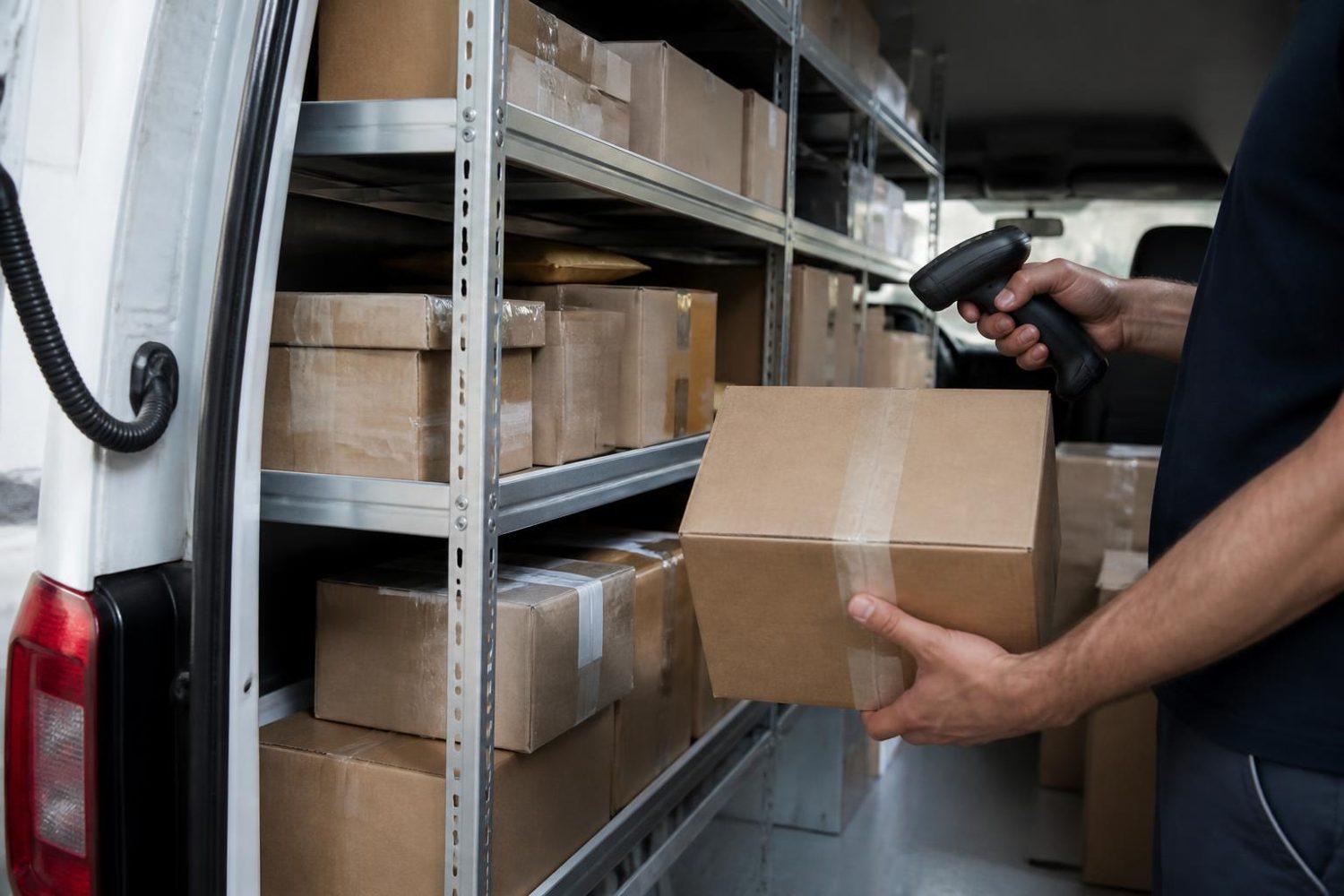
What can go wrong if you deliver without hire and reward cover
If your certificate does not include hire and reward and you crash while delivering, the insurer may treat it as uninsured use. It may still have to pay the other party's claim, but it can then try to recover that money from you, and it is unlikely to pay for damage to your own van.
Driving without cover for the way you use the vehicle can also lead to points on your licence and a fine. A record like that can make future insurance harder to find and more expensive.
Situations where drivers are sometimes caught out:
- Picking up a few paid jobs on a van insured for carriage of own goods
- Lending a personal-use van to a friend who uses it for deliveries
- Moving from employed driving in a company van to working in your own van
- Adding courier work to a trade van without telling the insurer
How to check whether your van certificate covers hire and reward
The certificate of motor insurance lists the limitations as to use. Look for a line that includes the carriage of goods for hire and reward, or courier use. If it says the policy excludes hire and reward, or only mentions carriage of own goods, it does not cover paid deliveries.
If the certificate is unclear, the insurer or broker can confirm in writing. It is worth keeping that confirmation, as some delivery contracts ask to see proof of hire and reward cover before you start.
Hire and reward is the base layer, not the whole picture
Hire and reward lets the van be used for courier work, but it does not protect the goods or cover every incident. Goods in transit covers the parcels themselves, and public liability covers injury or damage you cause to people or property while on a delivery.
Some contracts set minimum levels for these covers. Those are worth reading before arranging a quote, so the broker can match the whole package rather than just the van.
Questions worth asking before you buy hire and reward van insurance
These questions focus on the class of use and the covers that sit beside it.
- Does the certificate name hire and reward or courier use?This is the line that confirms paid delivery work is covered.
- Is social, domestic and pleasure use included too?Some hire and reward policies are work only, which matters if the van is also your personal vehicle.
- Are there limits on the type of goods carried?Some policies exclude certain loads, such as food or high-value items.
- Does the policy cover single-drop, multi-drop or both?Insurers can rate these differently, and some policies cover only one.
- Is goods in transit offered alongside?Hire and reward covers the van, not the parcels inside it.
- Will the insurer provide written proof of cover for a client?Many delivery contracts ask to see it before work begins.
Hire and reward van insurance questions
What is carriage of goods for hire and reward?
It is the insurers' term for carrying goods that belong to someone else in exchange for payment. On a van policy it is a class of use. Courier, parcel and contract delivery work all fall under it.
Is carriage and reward the same as hire and reward?
Yes, in practice drivers use carriage and reward to mean the same thing. Insurers more often write hire and reward, or carriage of goods for hire and reward. Either way, it is the cover needed to be paid to deliver other people's goods.
Does carriage of own goods cover parcel deliveries?
Not usually. Carriage of own goods is for your own tools, stock or materials. As soon as you are paid to carry someone else's goods, most insurers expect hire and reward cover instead.
Can I add hire and reward to my existing van policy?
Some insurers allow a change of use mid-term, usually with an extra premium. Others do not offer hire and reward at all, in which case a new policy from a specialist insurer may be needed.
Do I need hire and reward if I only do a few deliveries a week?
Most insurers treat any paid delivery of other people's goods as hire and reward, however occasional. Part-time and low-mileage policies exist, and it is worth telling the broker how often you deliver.
Where does it say hire and reward on my insurance documents?
Look at the limitations as to use on the certificate of motor insurance. It lists exactly what the van can be used for. If hire and reward is not mentioned, or is listed as excluded, the van is not covered for courier work.
Does hire and reward cover the parcels I carry?
No. Hire and reward covers the van being used for paid deliveries. Loss of or damage to the goods themselves is covered by goods in transit, which is usually a separate policy or add-on.
Ready to compare hire and reward van insurance?
One form, specialist brokers, no obligation.