
Home › Courier car insurance · Updated
Courier car insuranceCompare courier car insurance for parcel and document work
If your car carries other people's parcels or documents for payment, a standard car policy usually stops short. Courier car insurance is the cover that fills that gap, and Courier Insure helps you find specialist brokers who arrange it.
Get started- Free to use
- No obligation to buy
- Part-time and full-time car couriers
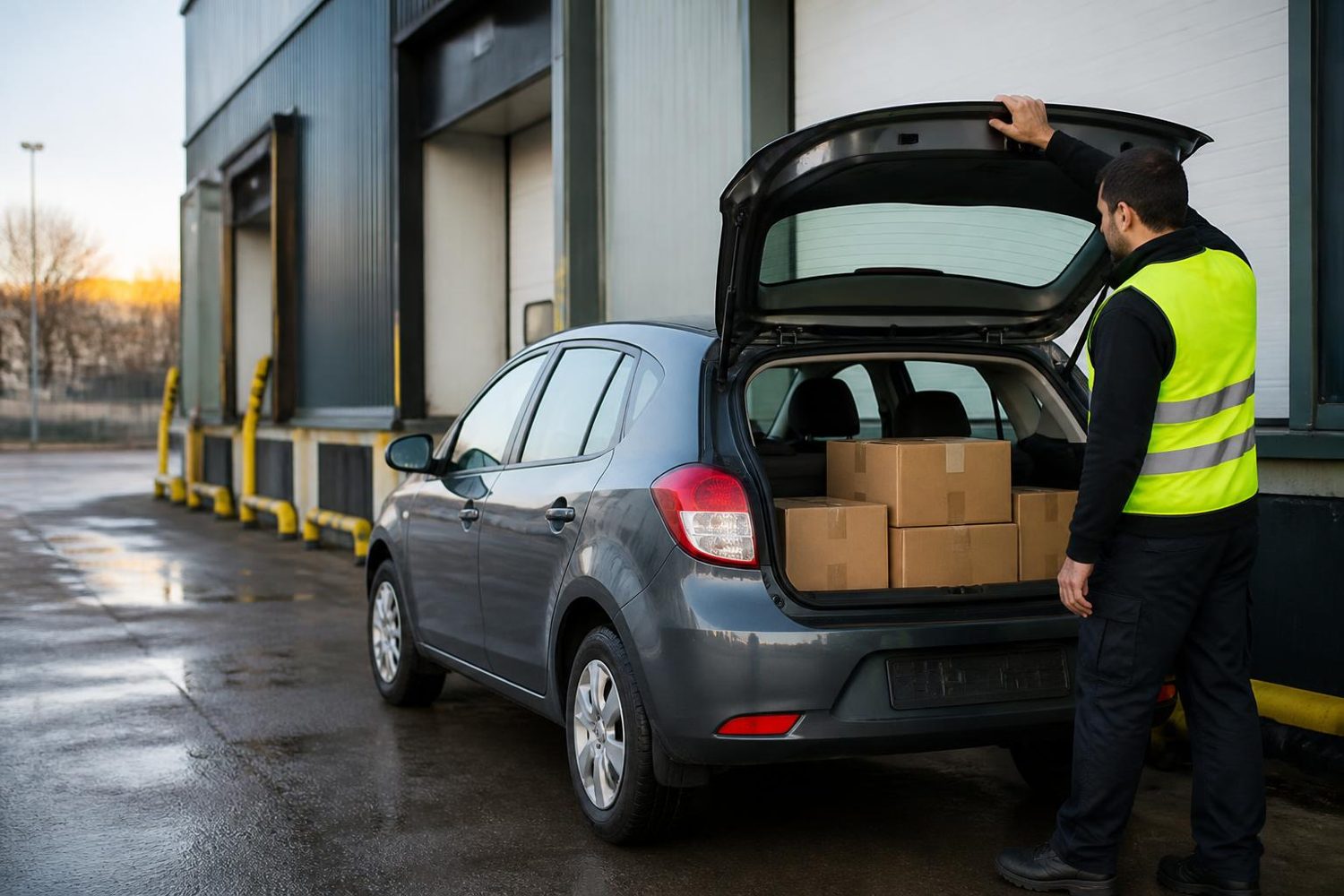
Courier car insurance is motor cover for a car used to carry goods for other people in return for payment, often called hire and reward or courier use. It replaces or sits alongside the social, domestic and pleasure cover most car owners hold. Insurers treat it as a separate class of use because the car spends more time on the road, makes more stops and carries property that belongs to someone else. Whether you deliver a few evenings a week or run a full-time round, the cover needs to match how the car is actually used.
- Specialist brokersCourier insurance brokers who arrange hire and reward cover every day.
- One short formTell us about the vehicle, the work and the drivers once.
- No obligationCompare the options you are offered and decide in your own time.
At a glance
- Most standard car policies exclude carrying goods for payment, even when business use is included.
- Courier car insurance adds hire and reward or courier use so paid deliveries are covered.
- Parcels and documents are usually rated differently from takeaway food deliveries.
- Insurers look closely at mileage, area, overnight parking, the type of deliveries and your driving history.
- Part-time and full-time drivers often need different set-ups, from pay-as-you-go top-ups to annual policies.
- Goods in transit and public liability are separate covers that some clients or networks ask for.
Why a normal car policy rarely covers paid deliveries
Car insurance is sold by class of use. Social, domestic and pleasure covers everyday driving, commuting covers the trip to a fixed place of work, and business use covers driving as part of your job, such as visiting clients. None of these normally includes carrying goods that belong to someone else in exchange for a fee.
That exclusion catches a lot of drivers out. Someone who picks up a few parcels for a delivery app, or runs documents between offices for a local firm, may assume business use is enough. Many insurers say it is not, and a claim made while delivering could be refused if the policy does not include hire and reward or courier use.
Typical classes of use on a car policy:
- Social, domestic and pleasure: personal and family driving
- Commuting: travel to and from a regular place of work
- Business use: driving as part of your job, without carrying goods for payment
- Hire and reward or courier use: carrying other people's goods for payment
Parcels, documents and what the car is carrying
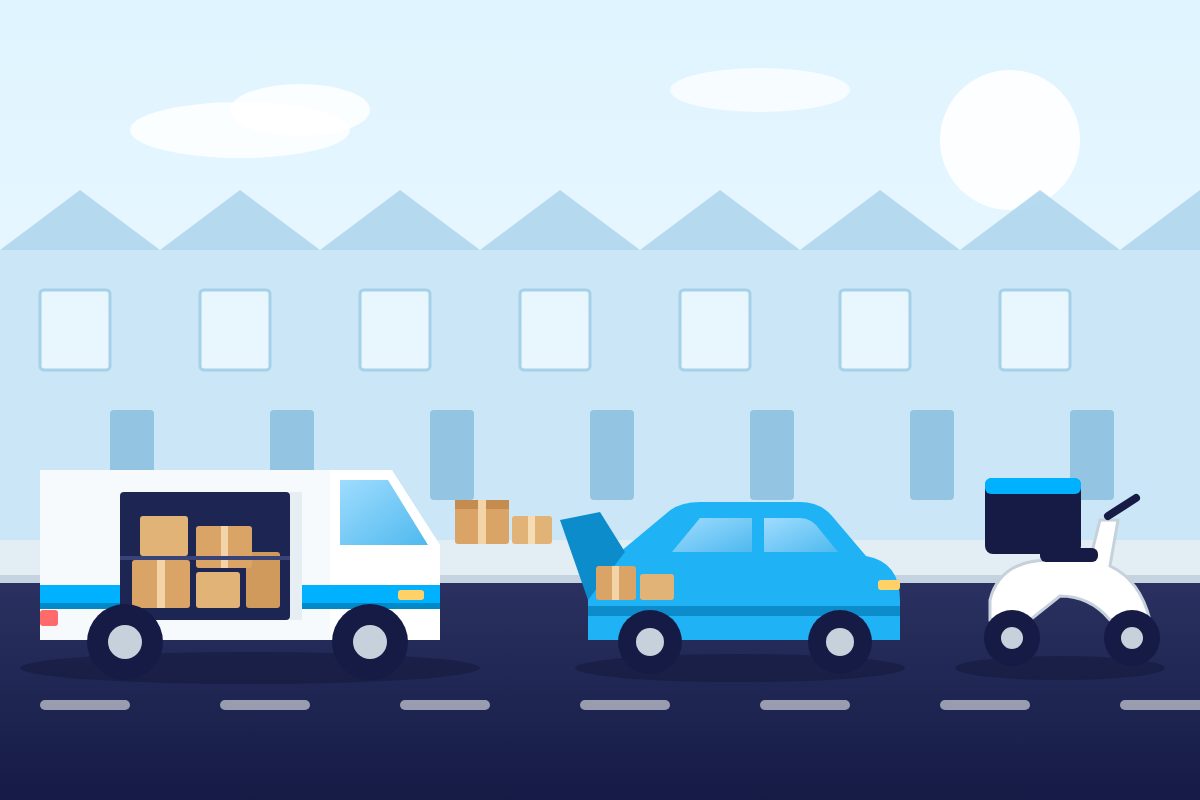
Courier work in a car tends to fall into a few patterns. Some drivers run multi-drop parcel rounds for delivery networks, while others carry urgent documents, legal papers, medical samples or small business items on a same-day basis. The type of load matters to insurers because it changes the risk of theft, the number of stops and the time spent away from the car.
Food delivery is usually treated as a separate category. Some policies cover parcels and documents but not takeaway food, and others work the other way round, so it is worth checking that the policy names the work you actually do.
Documents and small items
Same-day document runs usually involve fewer stops and longer journeys between them. Insurers may ask about the typical distance, the clients you work for and whether items are high value or confidential.
Parcel rounds
Parcel rounds mean many short stops in residential streets. Insurers often ask how many drops you make, whether the car is left unlocked or running, and how long rounds usually take.
What insurers weigh up when quoting a courier car
A courier car quote is built from the same information as a normal car quote, plus extra detail about the work. Brokers who specialise in courier cover know which insurers accept which types of delivery, which can save time compared with approaching general car insurers one by one.
Factors that often affect the quote:
- The car itself, including its value, age and any modifications
- Your postcode and where the car is kept overnight
- Your age, licence history, claims and convictions
- Annual mileage and how much of it is delivery work
- The type of deliveries and whether you work single drop or multi-drop
- Who else will drive the car, for personal use or for work
Part-time courier driving and full-time rounds need different set-ups
Not everyone who uses a car for courier work does it every day. Many drivers deliver alongside another job, during peak season or on a few shifts a week. Some insurers offer cover that switches on only while you are working, sitting on top of your existing personal policy. Others prefer an annual policy that includes courier use all year.
Full-time drivers covering high mileage usually find an annual courier policy simpler, as the car is in work use most days. Part-time drivers may compare a top-up arrangement with adding courier use to their main policy. The right shape depends on how often you work, the platforms or clients involved and what your current insurer will accept.
Top-up or pay-as-you-go cover
This works alongside your personal policy and is active only while you are logged in or on shift. It is worth checking that the level of cover matches your main policy and that the gap between the two is clear.
Annual courier car policy
One policy covers personal driving and courier work together. It can suit drivers who deliver most days or who work for several clients at once.
Covers that sit alongside courier car insurance
Motor cover protects the car and other road users. It does not usually protect the parcels you are carrying, and it may not cover injury or damage you cause on a customer's doorstep. Some networks and direct clients ask for extra cover before they will give you work.
- Goods in transit, for loss of or damage to the items you carry
- Public liability, for injury or property damage while you are out of the car
- Breakdown cover that includes commercial use
- Courtesy car or replacement vehicle, so you can keep working after an accident
- Protected no claims bonus and legal expenses
Questions worth asking before you buy courier car insurance
These questions help make sure the policy matches the deliveries you actually do.
- Does the policy include hire and reward or courier use by name?Business use alone is often not enough for paid deliveries.
- Are parcels, documents and food all covered, or only some?Many insurers treat food delivery separately from parcel work.
- Is the cover annual or only active while I am working?Top-up cover relies on your personal policy being in place too.
- What mileage limit applies?Courier work adds miles quickly and going over the limit can cause problems at claim time.
- Are there conditions about leaving the car unattended?Locking and key rules often apply between drops.
- Can other people drive the car for work?Named driver and any driver options have different conditions.
- Is goods in transit or public liability included or available?Some clients ask for proof of these before offering work.
Courier car insurance questions
Do I need courier insurance to deliver parcels in my car?
Usually yes. Carrying other people's parcels for payment is normally treated as hire and reward or courier use, which most standard car policies exclude. It is worth checking your current policy and asking your insurer or a broker before you start.
Can I use business use cover for courier work in a car?
In most cases business use does not include carrying goods for payment. Some insurers state this clearly in the policy. A broker can confirm whether your current cover extends to courier work or whether a separate policy is needed.
Is courier car insurance more expensive than normal car insurance?
It usually costs more, because the car covers more miles, makes frequent stops and carries goods for others. The difference depends on the car, your area, your history and the type of deliveries. Comparing quotes through specialist brokers can help you see the range available.
Does courier car insurance cover the parcels I carry?
Motor cover normally protects the car and third parties, not the goods inside. Goods in transit is a separate cover for the items you carry. Some brokers can arrange both together.
Can I get courier car insurance if I only deliver part-time?
Yes, many insurers accept part-time courier drivers. Options range from cover that is only active while you are working to an annual policy with courier use included. Which suits you depends on how often you deliver and what your personal policy allows.
What happens if I have an accident while delivering without courier cover?
If the policy does not include courier use, the insurer may refuse to pay for damage to your car and could seek to recover any money paid to third parties. Driving without cover for the way you use the vehicle can also lead to points and a fine.
Can I carry documents for a local business on a normal car policy?
If you are paid to carry the documents and they belong to someone else, it is usually treated as courier work. It is worth checking with your insurer, as some policies are stricter than others about what counts.
Ready to compare courier car insurance?
One form, specialist brokers, no obligation.