
Home › Amazon Flex in a car · Updated
Amazon Flex in a carCompare Amazon Flex car insurance for delivery blocks
Delivering Amazon Flex blocks in your own car means your motor cover needs to include paid delivery work. Courier Insure helps you find specialist brokers who arrange cover for app-based parcel delivery, with no link to or endorsement from Amazon.
Get started- Free to use
- No obligation to buy
- Annual or per-block options to compare
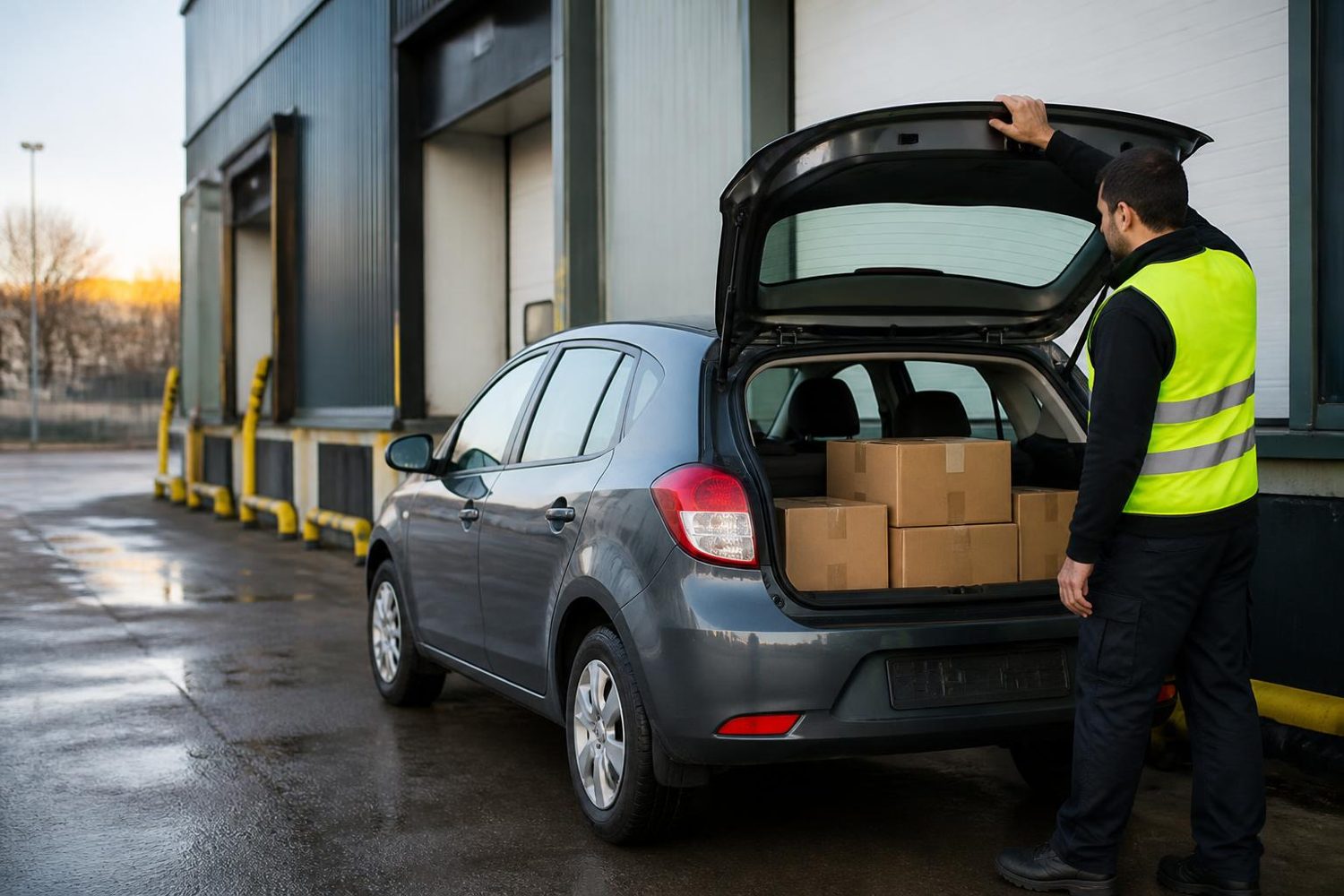
Amazon Flex car insurance is car cover that includes hire and reward or courier use, so you are insured while delivering Amazon Flex parcels in your own car. At the time of writing, Amazon Flex delivery partners in the UK are generally expected to arrange their own insurance for delivery work rather than relying on cover from Amazon. Terms can change, so it is worth checking the current requirements in the Amazon Flex app before your first block.
- Specialist brokersCourier insurance brokers who arrange hire and reward cover every day.
- One short formTell us about the vehicle, the work and the drivers once.
- No obligationCompare the options you are offered and decide in your own time.
At a glance
- At the time of writing, UK Amazon Flex drivers generally arrange their own cover for delivery work.
- A personal car policy, even with business use, does not usually cover paid parcel delivery.
- Options include an annual courier policy or top-up cover that runs only during blocks.
- Top-up products usually rely on your personal policy staying in place and match its level of cover.
- Station pickups, timed blocks and many short drops shape how insurers view the risk.
- The current requirements in the Amazon Flex app are the place to check what proof is needed.
Who arranges the cover when you deliver Amazon Flex blocks
Amazon Flex drivers are self-employed delivery partners using their own vehicle. At the time of writing, UK drivers are generally expected to arrange their own motor cover that includes delivery work, and specialist insurers sell products aimed at Flex drivers. Arrangements have changed in the past, so older forum posts and videos may describe cover that no longer applies.
Because the position can change, it is worth checking the current terms in the Amazon Flex app and asking any insurer exactly what their policy covers. Courier Insure is not connected to Amazon and cannot confirm what the app requires on any given day.
Why business use on your car policy is not enough for Flex
Many drivers assume that adding business use to their car policy covers app deliveries. In most cases it does not. Business use covers driving as part of your work, such as travelling to meetings, but usually excludes carrying goods for payment.
Delivering Amazon parcels to customers is normally treated as hire and reward or courier use. Without that on the policy, an insurer may refuse a claim made during a block.

Annual cover or per-block top-up: two ways Flex drivers insure a car
Flex drivers tend to fall into two groups. Some work blocks most days and treat Flex as their main income. Others pick up the occasional block around another job. The way you work usually points towards one of the two main set-ups.
Annual courier car policy
One policy with courier use included all year. This can suit drivers doing frequent blocks or working for Flex alongside other delivery apps.
Top-up cover during blocks
Some insurers offer cover that switches on only while you are delivering, sitting on top of your personal car policy. The level of cover usually mirrors your personal policy, so comprehensive personal cover tends to mean comprehensive delivery cover.
Mixing the two
Some drivers start with top-up cover and move to an annual policy as their hours grow. Comparing the cost over a typical month can help show which is better value for your pattern.
Station pickups, timed blocks and short-drop driving
A Flex block usually starts with collecting parcels from a delivery station, followed by a timed route with many short stops. Drivers are working to the clock, parking in residential streets and leaving the car frequently.
These patterns matter to insurers. Unattended-vehicle conditions, how parcels are stored in the car and where you park between drops can all affect whether a claim is paid.
Points worth checking with an insurer:
- Rules about leaving the car unlocked or running at a drop
- Whether cover starts when you travel to the station or only once you collect parcels
- How the policy treats parcels left in the car between blocks
- Whether other apps you use are covered by the same policy
Proof of cover, renewals and keeping the app happy
Flex drivers are often asked to keep proof of insurance up to date. If your policy renews, changes insurer or switches from top-up to annual cover, it is worth checking whether new documents need to be uploaded.
Keeping the certificate, schedule and any top-up confirmation to hand can save time if you are asked for them. Missing or expired documents could interrupt access to blocks, depending on the current app terms.
Questions worth asking before you buy Amazon Flex car insurance
These questions focus on how Flex blocks actually work and how the cover fits around them.
- Does this policy cover app-based parcel delivery by name?Some courier policies are written for other types of delivery work.
- Is the cover annual or only active during blocks?Top-up cover relies on your personal policy being valid underneath.
- Does the delivery cover match the level of my personal policy?A mismatch can leave your own car uninsured for damage during a block.
- When does cover start and stop around a block?Travel to the station and back may or may not be included.
- Can I use the same policy for other delivery apps?Many drivers work for more than one app.
- What documents will the app accept as proof?Requirements can change, so checking current app terms avoids delays.
- Are parcels covered if they are stolen from the car?Goods in transit is usually separate from motor cover.
Amazon Flex car insurance questions
Does Amazon provide insurance for Flex drivers in the UK?
At the time of writing, UK Flex drivers are generally expected to arrange their own insurance that covers delivery work. Arrangements have changed in the past, so it is worth checking the current terms in the Amazon Flex app.
What insurance do I need for Amazon Flex in a car?
Most drivers need a car policy that includes hire and reward or courier use, or a top-up product that adds this during blocks. Business use on its own is usually not enough. A specialist broker can explain which options fit your pattern of work.
Can I use pay-as-you-go insurance for Amazon Flex?
Some insurers offer cover that runs only while you are delivering, sitting on top of your personal policy. It can suit occasional blocks. It is worth checking that your personal policy meets the insurer's conditions.
Can someone else drive my car for Amazon Flex blocks?
The current Amazon Flex app terms set out who can deliver on an account, so they are the first place to check. On the insurance side, any other driver would also need to be covered for courier use on the policy.
Will Amazon Flex work affect my normal car insurance?
If you use your car for Flex, your insurer may need to know, even if delivery cover is arranged elsewhere. Some insurers ask about other uses of the car. It is worth checking to avoid problems at renewal.
What happens if I do Amazon Flex without the right insurance?
An insurer may refuse a claim made while you were delivering and may try to recover costs paid to others. Driving without cover for the way you use the vehicle can also lead to points and a fine.
Ready to compare Amazon Flex car insurance?
One form, specialist brokers, no obligation.