
Home › Self-employed van drivers · Updated
Self-employed van driversSelf-employed van driver insurance for owner-drivers
When the van is yours and the work comes from your own clients, the insurance is yours to arrange too. Compare courier van cover for owner-drivers and sole traders.
Get started- Free to use
- No obligation to buy
- For owner-drivers and sole traders
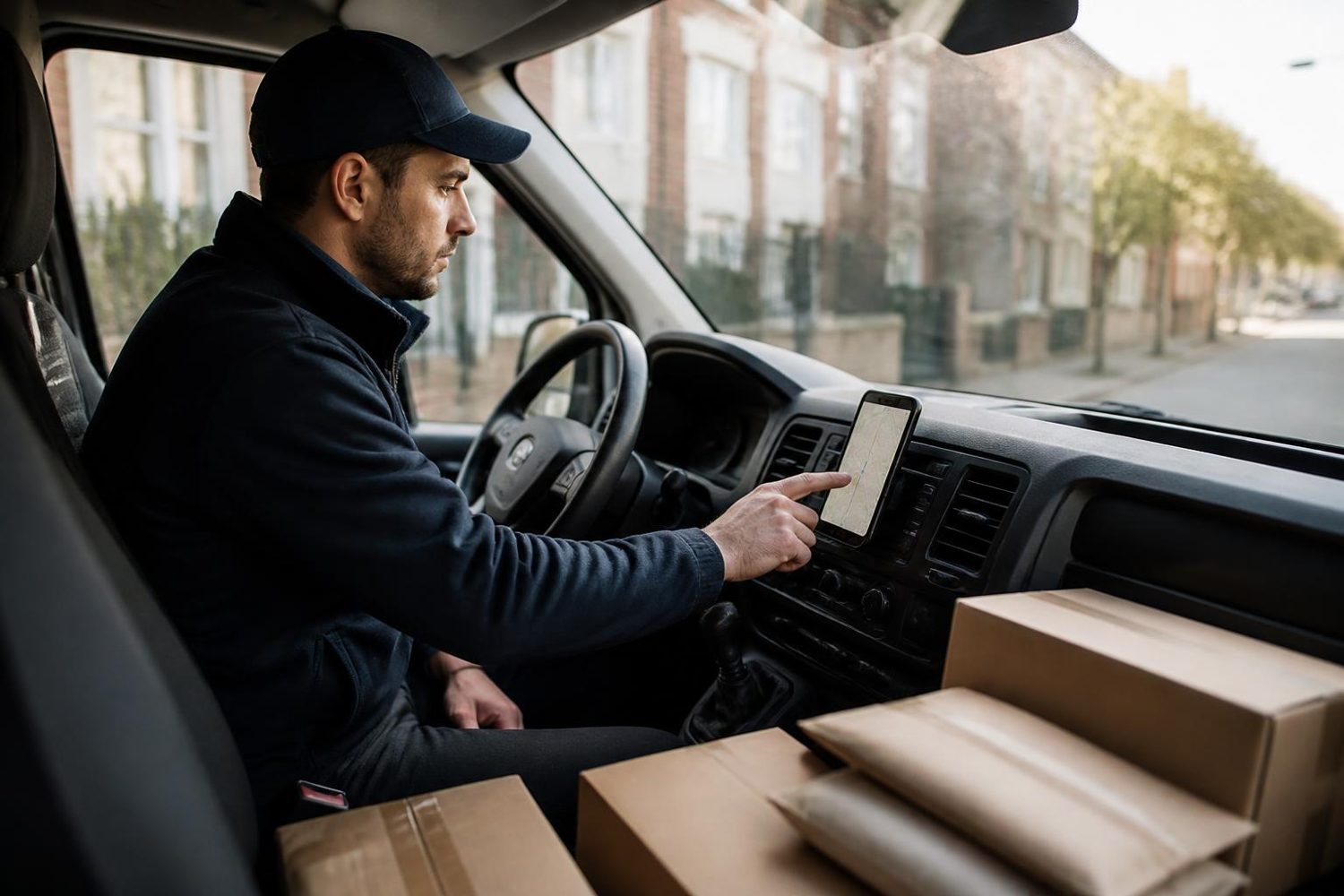
Self-employed van driver insurance is a van policy arranged in your own name that covers hire and reward use for the delivery work you take on. Unlike an employed driver in a company van, you are responsible for the cover, the goods and any liability. It is worth making sure the policy fits every client you work for, not just the main one.
- Specialist brokersCourier insurance brokers who arrange hire and reward cover every day.
- One short formTell us about the vehicle, the work and the drivers once.
- No obligationCompare the options you are offered and decide in your own time.
At a glance
- Self-employed drivers arrange their own van policy, usually including hire and reward use.
- Owned, financed and leased vans can all be insured, subject to the lender's or lessor's terms.
- Many delivery contracts set minimum insurance requirements for subcontractors.
- Working for several clients is common, and the policy needs to cover all of that work.
- Personal use of the van is often included, but it is worth checking the certificate.
- Goods in transit and public liability are usually your responsibility as a sole trader.
Owner-drivers carry the risk that an employer would otherwise hold
An employed van driver usually drives a company vehicle on the company's fleet policy. When you go self-employed, that safety net disappears. You choose the van, you insure it, and if something goes wrong on a job, the claim is on your policy and your record.
That also means the policy is built around you: your driving history, your postcode, your van and the work you do. Getting those details right at the start makes it far easier to switch clients or grow later.
Being self-employed also means there is no fleet manager to deal with claims or renewals. Keeping copies of the certificate, schedule and any goods in transit documents in one place saves time when a client or an insurer asks for them.
Owning, financing or leasing the van changes what the policy needs
How you pay for the van affects the conditions around it. The insurance itself works in much the same way, but the finance or lease agreement may add requirements.
Owned outright
You choose the level of cover freely. Some owners of older vans opt for third party fire and theft, while others prefer comprehensive cover to protect their income.
On finance
Finance agreements often require comprehensive cover and that the lender be noted on the policy. Some also ask to be told about commercial or courier use.
Leased or rented
Lease and rental agreements may restrict hire and reward use or require specific cover levels. Checking the agreement before arranging a quote avoids a policy the lessor will not accept.

Client contracts often decide the minimum cover you carry
Courier firms, parcel networks and retailers that use self-employed drivers commonly set insurance requirements in their contracts. These can include hire and reward cover, goods in transit up to a set limit and public liability at a stated level.
Requirements differ between clients and can change, so it is worth reading the current contract or onboarding terms for each one. Some clients also ask to see documents before you start, and again at renewal.
Documents clients commonly ask for include:
- The certificate of motor insurance showing hire and reward use
- A goods in transit schedule with the limit per load
- A public liability certificate
- Proof that the policy is in date and in your name or business name
Working for several clients needs one policy that fits them all
Many owner-drivers take work from more than one source: a regular contract, some same-day jobs and the odd private removal. Each type of work can carry its own risk, and a policy that suits one client may not stretch to another.
When switching between clients, or adding a new one, it is worth checking that the policy covers the new type of work and goods. A move from multi-drop parcels to urgent same-day work, for example, may change the mileage and goods in transit limit you need.
Mixing personal driving with work in the same van
For many sole traders the van is also the family vehicle at weekends. Most courier policies include social, domestic and pleasure use alongside hire and reward, but some are written for business only.
If anyone else will drive the van for personal reasons, such as a partner, they need to be on the policy too. Personal mileage also counts towards the annual total insurers ask about.
Questions worth asking before you buy self-employed van driver insurance
These questions help match the policy to your van, your clients and your own use.
- Does the policy cover every type of work I take on?Mixing contract, same-day and private jobs can fall outside a narrow policy.
- Does it meet each client's minimum insurance requirements?Falling short can stop you being offered work.
- Is my finance or lease company happy with the cover?Some agreements set their own conditions for commercial use.
- Is social, domestic and pleasure use included?Without it, personal trips in the van may not be covered.
- Can the policy be in my business name?Some clients prefer documents that match the name on the contract.
- What happens to cover if I change client mid-term?A change in work type may need to be reported to the insurer.
- Is there a courtesy van if mine is off the road?Without the van, a sole trader has no income.
Self-employed van driver insurance questions
Do self-employed delivery drivers need their own van insurance?
If you use your own van for paid deliveries, you usually arrange your own policy with hire and reward use. Some clients provide vans or cover, but many expect subcontractors to insure themselves. It is worth checking the current terms of each contract.
Can I insure my van in my business name?
Many insurers allow a policy in a business or trading name, with the named drivers listed. This can help when clients ask for documents matching the contract. The broker can say which insurers offer it.
Can I use the same van insurance for different courier companies?
Usually yes, if the policy covers the type of work each company gives you. A hire and reward policy is not normally tied to one client. Problems arise when a new client needs a different type of work or higher goods in transit limits.
Is van insurance a business expense for sole traders?
Van insurance for business use is generally treated as a business cost for sole traders. How it is handled depends on your own tax position, so an accountant is the right person to confirm the details.
Does my van insurance cover me if I start a new delivery contract?
It does if the new contract fits the class of use and conditions on your policy. If the work is different, such as moving from parcels to food or from local to long-distance, the insurer may need to be told.
Can I get self-employed van insurance if I am new to courier work?
Yes, many insurers accept drivers new to courier work, though experience can affect the price. Your general driving history, licence and claims record still play a large part. A specialist broker can help find insurers open to new couriers.
Ready to compare self-employed van driver insurance?
One form, specialist brokers, no obligation.