
Home › DPD driver cover · Updated
DPD driver coverDPD driver courier insurance for owner drivers and subcontracted vans
How you are insured as a DPD driver depends on how you are engaged and who owns the van. Compare courier van options through specialist brokers.
Get started- Free to use
- No obligation to buy
- Owner drivers and route subcontractors
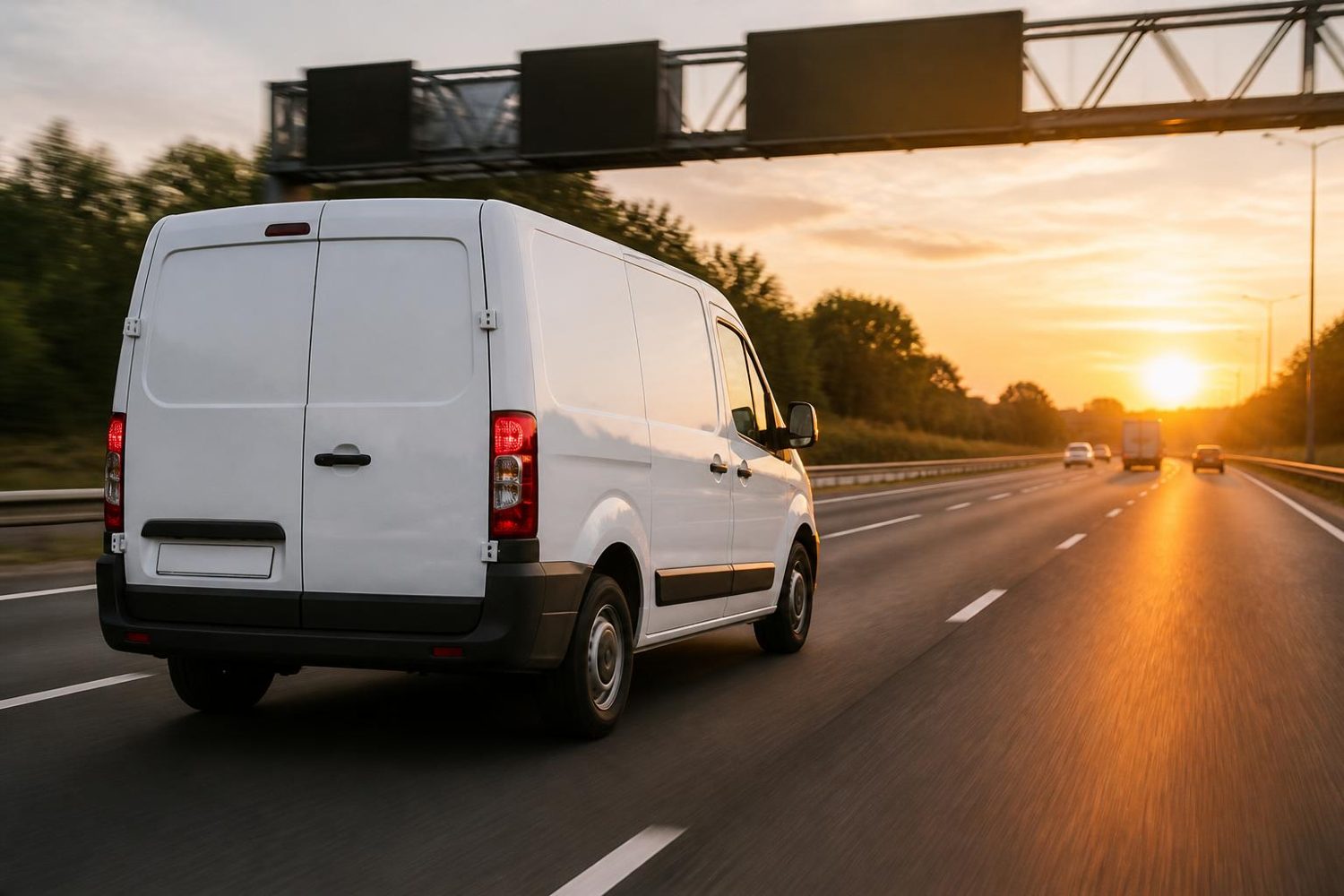
DPD driver courier insurance is courier van cover with hire and reward use for drivers delivering DPD parcels, whether you run your own franchise or drive for someone who does. At the time of writing, DPD in the UK recruits many drivers as self-employed Owner Driver franchisees, who can use a DPD-sourced van or their own. What insurance comes with the arrangement, and what you arrange yourself, is set by your agreement, so check it carefully before comparing quotes.
- Specialist brokersCourier insurance brokers who arrange hire and reward cover every day.
- One short formTell us about the vehicle, the work and the drivers once.
- No obligationCompare the options you are offered and decide in your own time.
At a glance
- DPD drivers are engaged in different ways, so there is no single answer to who insures the van.
- Owner Driver franchisees run their own delivery business under the DPD brand at the time of writing.
- Drivers working for a franchisee or contractor may be covered by that business's fleet policy, or may not.
- Paid parcel delivery is usually classed by insurers as hire and reward.
- Liveried vans and racking are worth declaring, as insurers treat them as modifications.
- Courier Insure is not a broker or insurer; it introduces you to specialist brokers through MyMoneyComparison.com.
Your DPD set-up decides who arranges the cover
DPD drivers in the UK are not all engaged the same way. Based on DPD's published recruitment information at the time of writing, many drivers join as Owner Driver franchisees, running a self-employed delivery business under the DPD brand. Others drive for a franchisee who has taken on more routes, or are employed directly.
Each route leads to a different insurance position. The useful starting point is your agreement: does it say who insures the van, what class of use is covered, and who is responsible for the parcels?
Owner Driver franchisee
You run your own business, so arranging suitable cover usually falls to you unless your agreement or vehicle package says otherwise.
Driver for a franchisee or contractor
The business you drive for may have a fleet policy that covers you, or may expect you to bring your own van and insurance. It is worth getting this confirmed in writing.
Employed driver
Employed drivers in company vehicles are usually covered under the employer's policy. This page is mainly for self-employed drivers.
Using your own van versus a DPD-sourced vehicle
At the time of writing, DPD's Owner Driver recruitment says drivers can choose a vehicle through DPD or use their own van, with DPD livery added. Some franchisees lease vans through finance partners.
If the van comes through a vehicle package, it is worth checking whether insurance is included, what level of cover it gives and what excess applies. If you use your own van, you will normally need a courier van policy with hire and reward use in your name or your business's name.
Running more than one DPD route
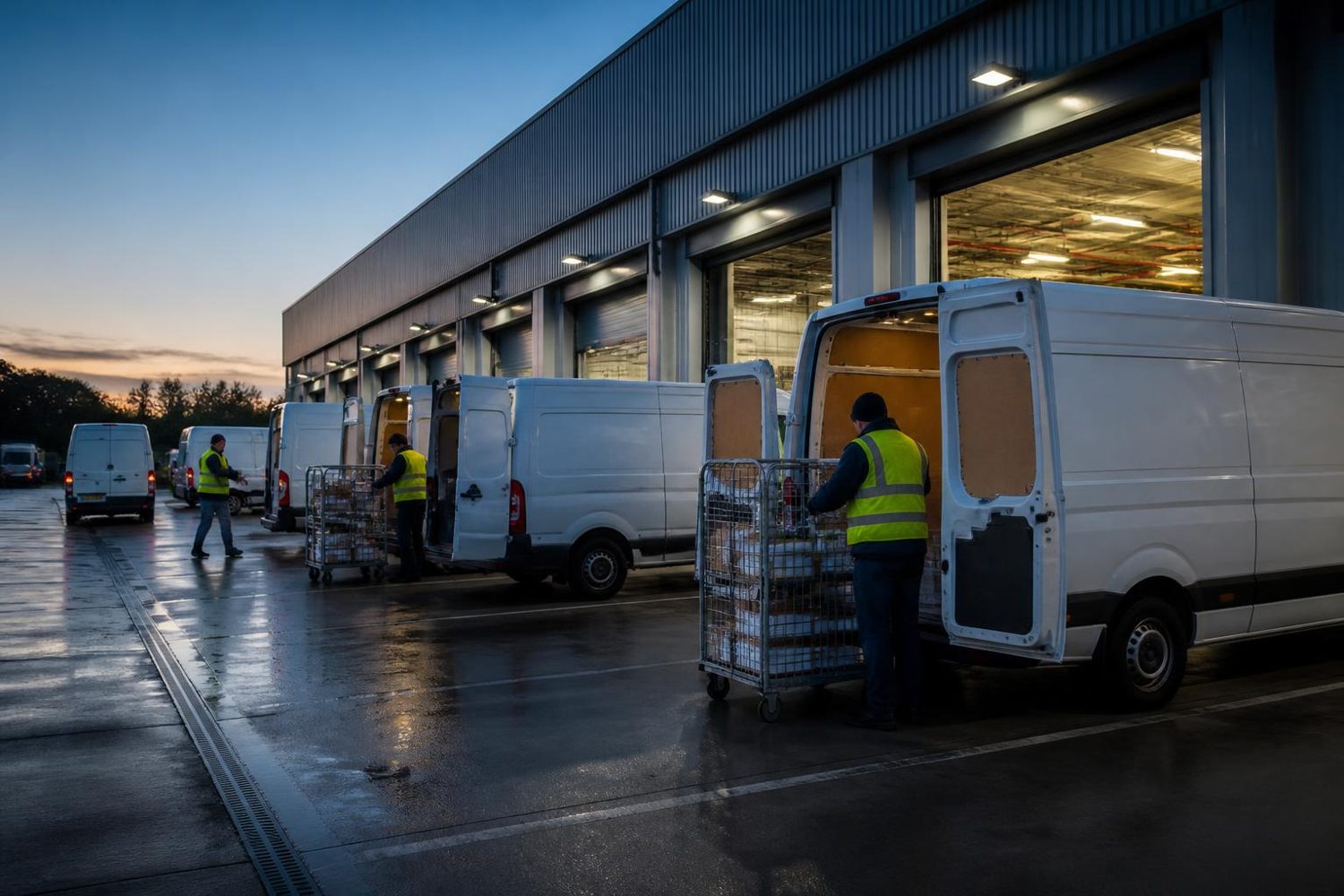
Some franchisees grow by taking on extra routes and drivers. Once more than one van or more than one driver is involved, the insurance question changes.
Options include separate policies per van, a policy that allows any driver subject to age and licence conditions, or a small fleet policy. Which fits depends on the number of vans, who drives them and how they are managed, and is a question for the broker.
Details that help when you have extra drivers:
- Ages and licence history of each driver
- Whether drivers swap between vans
- Where each van is parked overnight
- Claims and convictions for every driver
- Whether vans are liveried, racked or tracked
Livery, racking and trackers: tell the insurer
Branded livery, internal shelving and tracking devices are common on DPD vans. Insurers usually treat these as modifications or features that affect the risk, so it is worth declaring them when you ask for quotes.
Undeclared changes can give an insurer grounds to reduce or refuse a claim. Signwriting and racking may also affect what a replacement van or courtesy vehicle looks like, depending on the insurer.
Parcels, scanners and responsibility for loss
The van policy covers the vehicle and your liability to others. It does not usually cover the parcels or any equipment in the van. Goods in transit covers the goods you carry, usually up to a limit per load or per vehicle, with conditions about locks and unattended vans.
Your DPD agreement may set out who is liable for lost or damaged parcels and whether goods in transit is required. Check the current terms and ask the broker whether the limits and conditions on offer fit your route.
Questions worth asking before you buy DPD driver courier insurance
These help you compare cover for owner driver and subcontracted DPD work.
- Does my DPD agreement or vehicle package already include insurance?Double cover wastes money and gaps leave you exposed.
- Is hire and reward named on the policy?Business use alone often excludes paid parcel delivery.
- Who is the policyholder, me or my business?It affects who can claim and how the policy is set up.
- Can extra drivers be added as the business grows?Named driver, any driver and fleet options each have conditions.
- Have livery, racking and trackers been declared?Undeclared modifications can affect a claim.
- What does goods in transit cover, and up to what limit?Limits and unattended vehicle conditions vary by insurer.
- Is a replacement van available if mine is off the road?A missed route can cost you income and goodwill.
DPD driver insurance questions
Does DPD insure its owner drivers' vans?
It depends on the agreement and any vehicle package. At the time of writing, DPD's published recruitment information does not set out insurance terms in detail, so check your contract and vehicle documents. If insurance is not included, you will usually need your own courier van policy with hire and reward use.
Can I use my own van as a DPD owner driver?
DPD's Owner Driver recruitment at the time of writing says drivers can use their own van, with DPD livery added. The van then needs suitable courier insurance, and the livery is worth declaring to the insurer.
I drive for a DPD franchisee. Am I covered by their insurance?
You might be, if the franchisee has a policy that covers you as a driver of their van for hire and reward. If you use your own van, you will usually need your own cover. Get the position confirmed in writing before you start.
Can a DPD franchisee insure several vans on one policy?
Some insurers offer small fleet policies or multi-vehicle cover for courier businesses, subject to their acceptance criteria. Others prefer separate policies per van. The broker can explain which options are available for your number of vans and drivers.
What happens if a DPD parcel is damaged in my van?
Your motor policy usually will not pay for the parcel. Responsibility depends on your DPD agreement and whether you hold goods in transit cover, which normally has limits and conditions about how the van was secured.
Does a DPD driver need public liability insurance?
Some delivery contracts ask for public liability cover for injury or damage caused while on customers' premises. Check whether your agreement requires it, and ask the broker whether it can be arranged alongside the van policy.
Ready to compare DPD driver insurance?
One form, specialist brokers, no obligation.